Inflation On The Decline
Consumer prices rose less than expected in November, giving investors hope that may be cooling enough for U.S. monetary policy to be eased more than Wall Street anticipates. CPI rose at a 2.7% rate last month, compared to the same time last year. Economists had anticipated CPI to have risen 3.1%. The core CPI, which excludes volatile food and energy prices, was also lower than anticipated, increasing 2.6% over 12 months. It was expected to have risen by 3%.
Economists Skeptic of Inflation Data
The November Consumer Price Index data that was released Thursday had been delayed by 8 days due to the U.S. government shutdown. The October data was not released, leaving it to the BLS to make certain methodological assumptions about the October’s inflation levels. Those assumptions in the methodology were not clear to economists and were not fully explained in the release. Economists were looking into one particular category in the data, owners’ equivalent rent (OER). This is a big part of calculating inflation for increases or decreases in the housing market. The price changes in October for the OER seemingly was put down as zero. Several economists also noted the prices on goods collected were from the last week of November when goods can be discounted for the holiday sales push.
November Home Sales Underwhelm
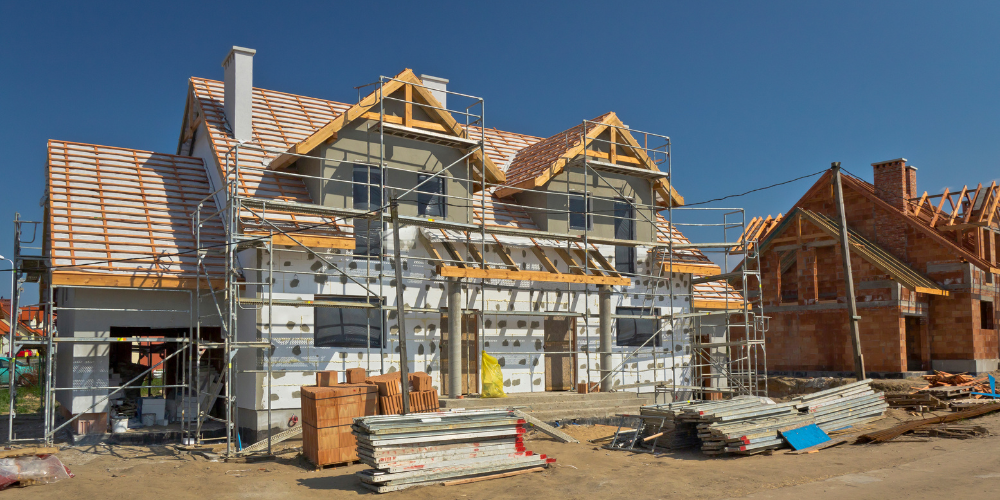
Housing supply dropped in November, down 5.9% from October. Homes on the market were also sitting longer on average, about 36 days compared to 32 days last month. With housing supply falling and interest rates only modestly declining after the Fed’s rate cut, home sales came in lower than anticipated. Real estate experts also reported that there was a large uptick in people taking their homes off the market in November.